
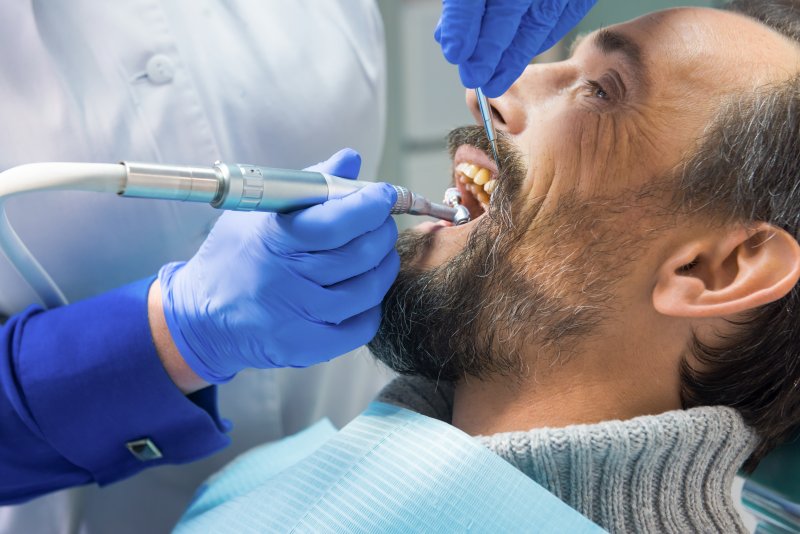
Routine dental cleanings are one of the most important parts of maintaining a healthy smile. Despite their importance, many people feel anxious about professional cleanings and worry that they may be painful. The good news is that for most patients, teeth cleanings are quick, gentle, and relatively comfortable. Understanding what happens during a cleaning and what factors can affect comfort can help ease your concerns.
What Happens During a Professional Teeth Cleaning?
A professional teeth cleaning is designed to remove plaque, tartar, and surface stains that cannot be eliminated with brushing and flossing alone. During the appointment, a dental hygienist typically begins by examining your teeth and gums to check for signs of inflammation, decay, or other concerns.
Next, specialized tools are used to carefully remove plaque and hardened tartar from the surfaces of your teeth and around the gumline. After this step, your teeth are polished with a slightly gritty toothpaste to remove stains and leave your teeth feeling smooth. In many cases, a fluoride treatment may be applied to help strengthen enamel and protect against cavities.
Most patients describe the process as mildly uncomfortable at times but not painful.
Why Some People May Experience Discomfort
While routine cleanings are generally comfortable, certain factors can increase sensitivity or mild discomfort. If you have sensitive teeth, gum inflammation, or a buildup of tartar, you may notice slight tenderness during the cleaning process. Patients who have not had a cleaning in a long time may also experience more sensitivity because there is often more plaque and tartar to remove.
Gum disease can also cause discomfort during cleanings. Inflamed or infected gums may bleed or feel sore when plaque and bacteria are removed. However, removing this buildup is essential for improving gum health and preventing more serious dental problems.
How Dentists Help Keep Cleanings Comfortable
Dental professionals take several steps to ensure your comfort during cleanings. Hygienists use gentle techniques and modern tools designed to minimize discomfort. If you have sensitive teeth or feel nervous, you can always communicate with your dental team so they can adjust their approach.
In some cases, dentists may recommend desensitizing toothpaste, numbing gel, or other comfort measures for patients with higher sensitivity. Taking breaks during the cleaning is also an option if you feel overwhelmed or uncomfortable.
The Benefits Far Outweigh Temporary Discomfort
Even if mild sensitivity occurs, regular dental cleanings provide significant benefits for your oral and overall health. Cleanings help prevent cavities, gum disease, bad breath, and tooth loss. They also allow your dental team to detect potential problems early, often preventing more complex and costly treatments later.
For most people, teeth cleanings are a simple and effective way to maintain a healthy smile. By attending regular dental appointments and practicing good oral hygiene at home, you can keep your cleanings comfortable and your teeth feeling their best.
About the Author
Dr. Sam Antoon has been practicing dentistry since 1990. He achieved his dental doctorate at the Southern Illinois University School of Dental Medicine and attended a one-year Graduate Practice Residency as well. Today, Dr. Antoon stays current in his field and the latest developments by maintaining professional memberships with the American Dental Association, the Texas Dental Association, and the Fourth District Dental Society. If you’re looking for excellent preventive care, book your appointment online or call (972) 640-6229.