
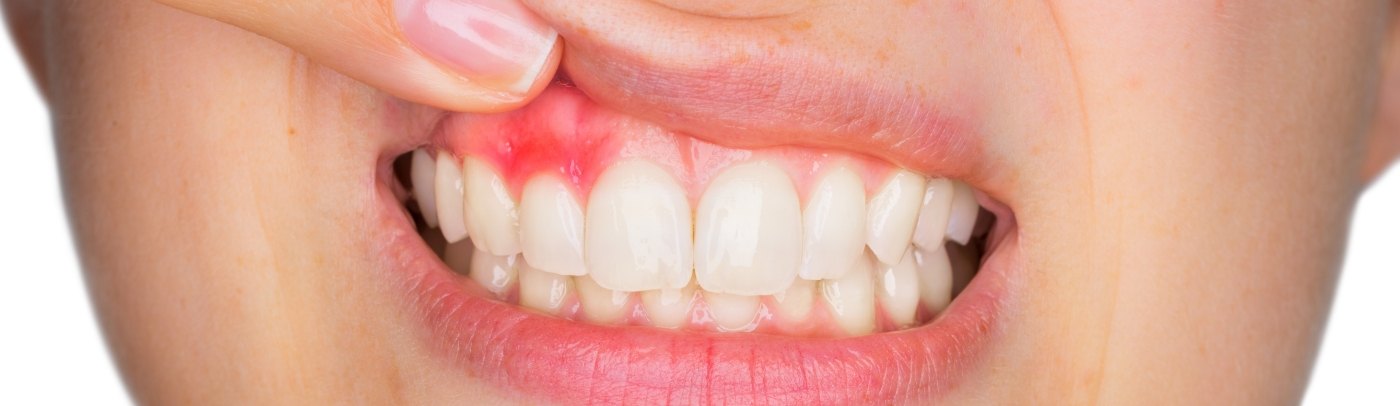
Did you know that roughly 50% of American adults have gum disease? When detected early, the infection can be treated; however, when allowed to progress, the result can be significantly more serious (i.e., heart disease, diabetes, tooth loss, jawbone resorption, etc.). That’s why it’s so important to reach out to us if any abnormal symptoms arise, like bleeding when you floss! Our team at Antoon Family Dental is here to improve your gum health using only the best gum disease treatment techniques in Plano.
Why Choose Antoon Family Dental for Gum Disease Treatment?
- Laser Dentistry Used for Improved Comfort
- Sedation Dental Options Available
- Your Dental Insurance Benefits Maximized

What is Gum Disease?
As you may already know, gum disease is an infection that’s usually caused by poor dental hygiene. What you may not know, however, is that there are two types: gingivitis and periodontitis. While the former can be treated with the help of a skilled dentist, the latter can only be managed. For this reason, we strongly recommend scheduling an appointment with us when you first suspect that something is wrong.

Symptoms of Gum Disease
There are several abnormal symptoms we recommend keeping an eye out for, including tenderness, swelling, and bleeding when you floss. If these or any other warning signs of dental trouble arise, call us right away to schedule an appointment. That way, Dr. Antoon can complete a comprehensive oral exam and determine if gum disease is the culprit.

How Do We Treat Gum Disease?
At our Plano dental office, we offer three interventions: scaling and root planing, laser periodontal treatment, and the Chao Pinhole Technique. You can learn a little more about each below, but don’t hesitate to reach out to us if you’re ready to schedule an appointment. At your visit, we will take a look at your gums, determine if an infection is present, and, if that’s the case, share our recommendation on how to proceed.
Scaling & Root Planing
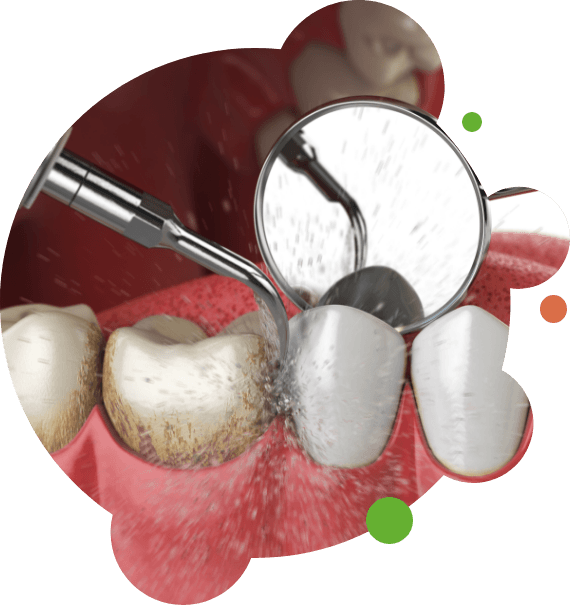
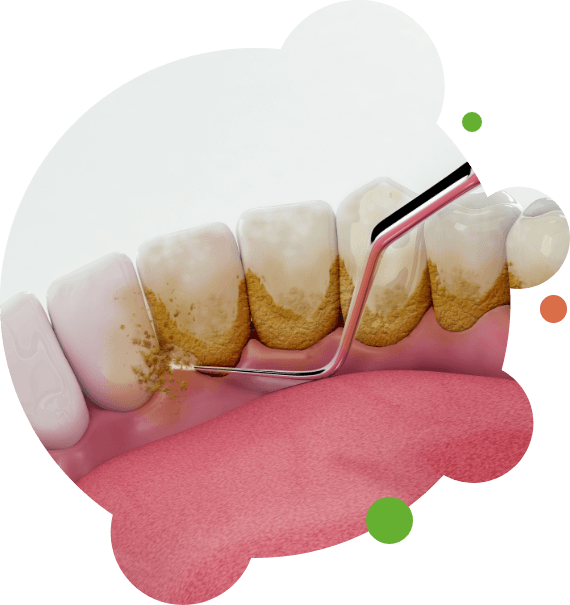
Scaling and root planing is a nonsurgical type of gum disease treatment that consists of a deep cleaning of the mouth to remove plaque and bacteria from above and below the gumline. Additionally, we smooth out the roots of the teeth to reduce the probability of reinfection.


Laser Periodontal Treatment
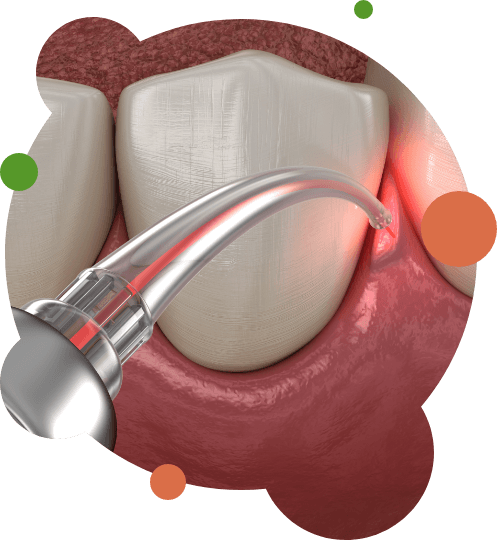
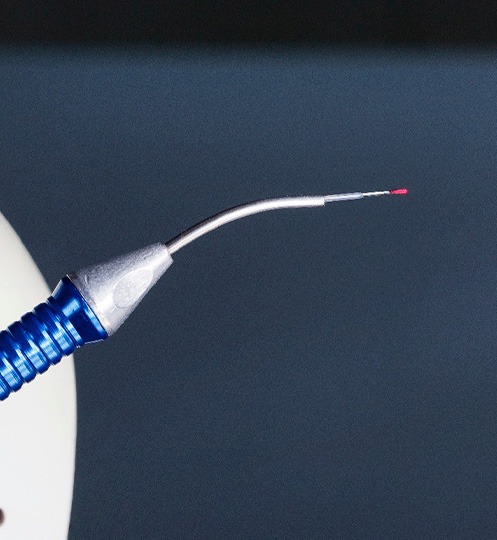
Using a comfortable soft-tissue laser, Dr. Antoon can instantly vaporize periodontal tissue that has become damaged due to gum disease. This device uses a beam of concentrated light to provide more precise results than a scalpel and even eliminates the need for sutures in most cases. This translates to a more comfortable treatment and recovery, as well as a lower risk of developing a secondary infection during the healing process.


Chao Pinhole Technique
When gum recession occurs as a result of advanced gum disease, this minimally invasive procedure can be used to position your soft oral tissues in their appropriate place. Dr. Antoon will create a small hole and loosen the gum tissue before gently moving it back into position so that it effectively covers the exposed tooth root and forms a more even gumline.
Gum Disease Treatment FAQs
There are several risk factors that can potentially increase your risk of developing gum disease, including:
- Poor Oral Hygiene: If you don’t brush and floss regularly, plaque and tartar can build up in your mouth and eventually lead to gum disease.
- Age: As you get older, your immune system weakens. This can leave your gums (and the rest of your body) more susceptible to infection.
- Genetics: Some individuals are more likely to develop gum disease than others as a result of genetic factors.
- Stress: Unmanaged stress can have a negative impact on your body’s ability to ward off infection, which can put you at a higher risk for gum disease.
- Pregnancy: Gum disease is common in pregnant women. Problems in the gums can potentially be a side effect of hormonal fluctuations.
- Specific Medical Conditions: Diabetes can make it more difficult for your body to fight off gum disease. This is just one example of a medical condition that can potentially contribute to gum problems.
You typically don’t have to worry about tooth loss while your gum disease is in the gingivitis stage. However, once it turns into periodontitis, it can significantly damage the gum and bone tissues responsible for holding the teeth in place. As these tissues deteriorate over time, the chances of losing your teeth increase.
That being said, having gum disease does not guarantee that you will lose your teeth. If you act quickly to have the issue treated, you can prevent gum disease from growing worse and reduce your risk for tooth loss.
The cost of gum disease treatment in Plano can vary significantly from patient to patient. It largely depends on the specific type of treatment that you need. For example, a deep cleaning that consists of scaling and root planing typically costs less than the Chao Pinhole Technique.
It’s worth noting that our practice offers a couple of options for making gum disease treatment more affordable. Not only do we accept a wide range of dental insurance plans, but we can also help you apply for CareCredit or Cherry financing so that you can break up the cost of your care.
To keep your risk of developing gum disease to a minimum, you should:
- Brush thoroughly at least twice a day while paying close attention to your gumline.
- Floss daily to get rid of bacteria and food particles that are hiding between the teeth.
- Rinse regularly with anti-bacterial mouthwash.
- Adjust your diet so that it contains fewer sugary and starchy foods.
- Take steps to keep your stress levels under control, such as practicing yoga.