
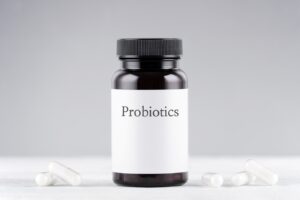
Brushing, flossing, regular dental checkups – these all come to mind when it comes to protecting your oral health. While these habits are important, even foundational, researchers continue to explore additional ways to support a healthy mouth. One area of growing interest is the use of probiotics to promote a healthier balance of bacteria in the oral cavity.
Although probiotics are not a cure for gum disease, they may become a helpful addition to a comprehensive oral care routine.
What Are Probiotics?
Probiotics are beneficial microorganisms that help maintain a healthy balance of bacteria in the body. They’re best known for supporting digestive health, but scientists have discovered that certain strains may also benefit the mouth.
Your mouth naturally contains hundreds of different types of bacteria. Some are beneficial, while others contribute to plaque buildup, bad breath, tooth decay, and gum disease. The goal of probiotics is to encourage the growth of helpful bacteria while limiting the harmful bacteria that can lead to oral health problems.
How Might Probiotics Help Your Gums?
Gum disease develops when harmful bacteria accumulate along the gumline, causing inflammation and infection. As the condition progresses, it can damage the gums, supporting bone, and connective tissues around the teeth.
Some research suggests that specific probiotic strains may help reduce the number of harmful bacteria associated with gum disease. By promoting a healthier oral microbiome, probiotics may also help decrease inflammation, improve gum health, and reduce symptoms such as bleeding gums and halitosis (chronic bad breath).
While the results are promising, probiotics should be viewed as a supplement to, not a replacement for, professional dental care.
The Importance of Traditional Gum Disease Treatment
Even if you’re taking probiotics, it’s still essential to maintain good oral hygiene habits. Brushing twice a day, flossing daily, and visiting your dentist for regular exams and cleanings remain the most effective ways to prevent gum disease.
If gum disease has already developed, professional care may include procedures such as scaling and root planing or laser periodontal treatment to remove plaque and tartar below the gumline. Probiotics alone cannot eliminate advanced periodontal disease.
Your dentist can recommend the most appropriate treatment plan based on the severity of your condition.
As research continues, probiotics may play an increasingly important role in supporting oral health. While they aren’t a miracle solution, they may help maintain a healthier balance of bacteria and complement your existing oral hygiene routine. If you’re interested in incorporating probiotics into your oral health regimen, talk with your dentist first. They can recommend products that are appropriate for your needs and explain how probiotics fit into a comprehensive plan for preventing gum disease.
About the Author
Plano, TX-based dentist Dr. Sam Antoon brings a wealth of experience to his profession, as he’s been practicing dentistry since 1990. To him, building lasting relationships with patients is just as important as staying on the cutting-edge of his field, which he does through ongoing memberships in the American Dental Association and the Texas Dental Association. Dr. Antoon is a graduate of the Southern Illinois University School of Dental Medicine and attended a one-year Graduate Practice Residency, where he gained valuable hands-on experience before going into practice. If you’re in need of gum disease treatment, Dr. Antoon and our team welcome you to Antoon Family Dental of Plano. Call us at (972) 267-5000 or visit our website to schedule an appointment.