A primary goal in dentistry is to preserve your natural teeth since you only get one set. However, there are circumstances of decay or disease where the best move for your oral health is to have one or multiple tooth extractions in Plano. At Antoon Family Dental, Dr. Antoon is highly qualified to keep you comfortable during the process, as he offers multiple sedation options and has more than two decades of experience. Sometimes removing a tooth is the right decision. To learn more, continue reading or contact our office for an appointment!
Why Choose Antoon Family Dental For Tooth Extractions?
We Can See You for a Same-Day Appointment
Sedation Available to Increase Comfort
Dentist & Dental Team That Put Patients First
Why Are Tooth Extractions Necessary?
A tooth extraction will only be considered after all other options have been explored. Our priority will always be to repair your damaged tooth via restorative dentistry like a dental crown or root canal treatment. But there will be situations where tooth extractions are recommended, such as:
Severe tooth decay
Severe gum disease
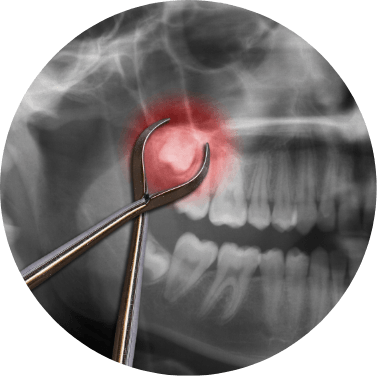
An impacted tooth – most commonly involves wisdom teeth
Overcrowding – can make oral care more difficult, cause bite problems, or set the stage for impaction
Fractured tooth
Tooth luxation – injury to the tissues, ligaments, or bone supporting your tooth
If Dr. Antoon recommends a tooth extraction, it is important to take action, so you do not risk more severe complications in the future.
The Process of Removing a Tooth
Your restorative dentist in Plano will assess your affected tooth and surrounding gums, plus take dental X-rays. You will have the option to choose between nitrous oxide and IV sedation to keep you comfortable. Next, local anesthesia will be given to numb the tooth and surrounding gum tissue.
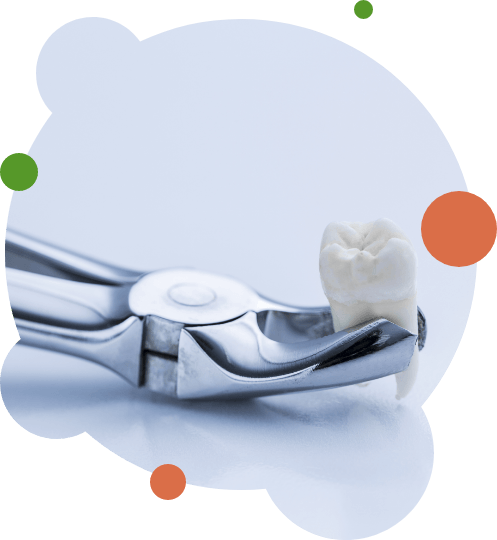
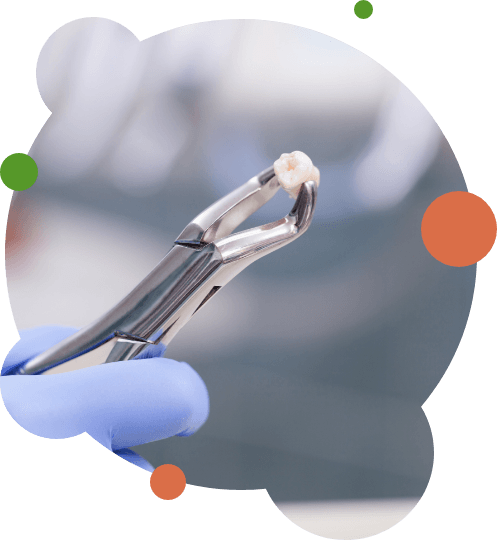
Using specialized instruments, your dentist will gently loosen your tooth and lift it from the socket. If your tooth is badly decayed or has broken off at the gumline, it may be necessary to make incisions in the gums to access it. Once removal is complete, the socket is cleaned and disinfected. Stitches may be placed to promote healing.
Tooth Extraction Aftercare
After the extraction procedure, you will receive post-op instructions to help you recover with minimal discomfort. To ensure your mouth heals properly, be mindful of these aftercare tips:
Drink plenty of water and get some rest to promote healing
Use a cold compress on the outside of your mouth to manage pain and swelling
Do not drink out of a straw
Avoid hard, crunchy foods for the first few days
Eat soft foods like rice, pasta, eggs, yogurt, and applesauce
Take prescribed antibiotics and pain medications to alleviate discomfort
Brush and floss carefully around the surgical site to keep it clean
After 24 hours, rinse with warm salt water to disinfect the site
Avoid strenuous activity for at least two days
Understanding the Cost of Tooth Extractions
While removing a tooth is typically done as a last resort, sometimes keeping one in your smile isn’t always a viable option for your oral health. Even if a tooth extraction is necessary for preserving your other pearly whites, it’s natural to want to know as much as possible about the overall cost of your procedure. Our team understands the importance of undergoing the treatment you need without having to empty your wallet in the process. Read on to learn several things you should know about the cost of tooth extraction in Plano.
Factors That Can Affect Tooth Extraction Cost
The exact cost of tooth extraction will vary from patient to patient. We won’t be able to provide you with a precise estimate until we’ve thoroughly examined your mouth and detected the root of the problem. During your visit, our team will assess your situation and decide the best way to address it. Some of the factors you can expect us to consider when determining the cost include the following:
The number of teeth: The more teeth you need to get removed, the higher the overall treatment cost.
The location of your teeth: The type and position of your tooth can also impact the overall price of your procedure.
The complexity of your dental case: Depending on the complexity of your tooth extraction procedure (and the sedation therapy you undergo), your treatment can range from $125 to $650.
Does Dental Insurance Cover Tooth Extractions?
Most dental insurance companies will typically offer coverage for approximately half the cost of tooth extraction after you’ve met your annual deductible. That said, there are often limits in place to cover just a certain number of pearly whites, or also a waiting period before your benefits will kick in. Every insurance plan is different, however, so you’ll want to double-check with your provider about the details of your policy before paying for any treatments. The last thing you want is to be surprised when it comes to paying your bill. You can also speak with our friendly and knowledgeable team if you need help navigating your insurance plan so that you can make the most of your benefits!
How to Make Tooth Extractions Affordable
Even if you don’t currently have dental insurance, it isn’t the only way to make your procedure more manageable. Our team offers alternative financing options via an in-office discount plan, where you can pay significantly less for preventive and restorative procedures with one low annual fee. We’re also partnered with CareCredit—a third-party financier who can offer plans that help split up the cost of your dental treatments into monthly installments with little to no interest. You’ll be able to undergo the necessary procedures to preserve your pearly whites without having to break the bank.
Tooth Extraction FAQs
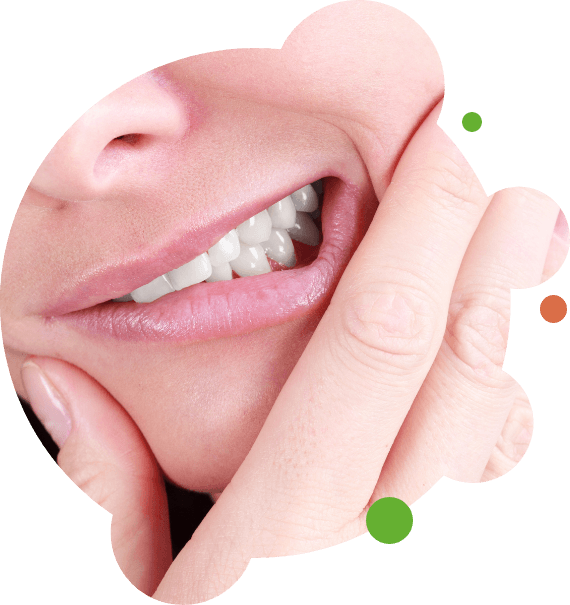
Many patients are hesitant to schedule their tooth extraction in Plano because they’re worried the procedure will hurt. Rest assured – it’s not as bad as you may think! Whether you’re getting one tooth pulled or multiple, Dr. Antoon will make sure your mouth is fully numb before moving forward with the extraction. It’s completely normal to experience mild soreness and discomfort following your procedure. Luckily, it’s easily manageable by diligently following your aftercare instructions and taking your medication as directed.
Some people may not see the point in replacing a pulled tooth, especially if it’s towards the back of the mouth. However, your teeth do so much more than create a beautiful smile, which is why it’s incredibly important to replace any missing ones. Even one missing tooth can make it difficult to chew, leading to poor nutrition and indigestion. It can also make it harder to speak, causing you to develop a mild lisp or another speech impediment. Once you’re all healed up from your extraction, it’s strongly recommended that you explore your tooth replacement options.
Getting plenty of rest is the most important thing to do after a tooth extraction in Plano. You should avoid exercising or doing strenuous activity for at least 24 hours. While you sleep, keep your head elevated. A dry socket is a painful complication that can delay the healing process, which is why you must do what you can to avoid it. To that end, you should avoid spitting or using a straw as it can dislodge the forming blood clot on your surgical site. Use a cold compress on the outside of your cheek to reduce swelling and discomfort. Make sure you take your prescribed or over-the-counter pain medications as instructed as well!
Preparing for your tooth extraction in Plano is just as important as diligently following your aftercare instructions. Before the procedure, make sure you ask Dr. Antoon what to bring and what to eat the morning of. He may provide specific instructions, like drinking only water in the morning or picking up prescription medication beforehand. You may also have to ask a trusted individual to drive you home after the procedure since you’ll most likely receive local or general anesthesia.
Whether you’re missing one tooth or several teeth throughout your mouth, we have good news: we can rebuild your strong, healthy, and beautiful smile at our Plano dental office!
The first step is reviewing all of the tooth-replacement solutions we offer – from traditional dental bridges to modern dentures. Many patients are drawn to dental implants because of the numerous benefits they come with, including the fact that they can last for 30+ years with proper care.
With all of that said, we will discuss the pros of each, answer any questions you have, and decide together which one is right for you.
No, you cannot smoke for at least five days after the procedure. This is crucial because tobacco products can delay the healing process considerably while also increasing your risk of a dry socket. If you’re worried that you won’t be able to refrain from smoking for that long, don’t hesitate to talk to our dentist in Plano, Dr. Antoon. Remember, he’s not interested in passing judgment. He simply wants to know if you’ve had difficulty quitting in the past so he can set you up for success.
Dental-related anxiety is quite common, especially when extensive care is needed. Rest assured, our Plano dental team is here to make the entire treatment process as smooth and stress-free as possible. We’ll walk you through exactly what to expect, and, if needed, we will add sedation dentistry to your treatment plan for increased comfort during your visit. To put it simply, if you’re scared, don’t hesitate to let us know – we want to help our patients have a positive experience from start to finish!
You should wait at least an hour or two so the gauze is in place long enough to slow down the bleeding. This will also allow the numbing agent to wear off, which will prevent you from accidentally biting down on your tongue, your lips, or the insides of your cheeks. Once you do get the green light to eat, make sure to stick to extremely soft foods, like applesauce, yogurt, and seedless fruit smoothies. As you heal, you’ll begin to eat a more varied diet, but we still recommend sticking to foods like rice, mashed potatoes, scrambled eggs, and oatmeal throughout the recovery period.
When a tooth cannot be predictably saved — severe decay below the gum, a vertical root fracture, advanced bone loss leaving it mobile, or a severe infection in an unrestorable tooth. Extraction is also sometimes planned to relieve crowding before orthodontics.
What does recovery from an extraction involve?
Bite on gauze for 30 to 60 minutes to form a clot, then rest for the day. Expect mild bleeding and swelling for 24 to 48 hours. Most people feel substantially better within three days; a surgical extraction takes about a week. Soft food, no straws, no smoking, no vigorous rinsing for 24 hours.
What is dry socket and how do I avoid it?
It is when the blood clot is dislodged or dissolves, exposing bone — intense pain starting three to five days after extraction, often radiating to the ear. Avoid it by not smoking, not using straws, not spitting forcefully and not rinsing vigorously for the first 24 hours. Call immediately if it happens; it is readily treated.
Should I replace the extracted tooth?
For most teeth other than wisdom teeth, yes. The bone that held the root resorbs once it is gone, and neighbouring teeth drift into the space. Discussing replacement before the extraction is worthwhile — some options, such as an implant placed at the same visit, are only available then.
Still have a question? Call
(972) 267-5000 and the
team in Plano will talk it through with you.